Case Study
From concept and mascot selection to a consistent visual system, then to sample video ads and live Meta campaigns—how I created an AI character and applied it across marketing at scale.
The goal was to own the full pipeline: define a character direction, choose a mascot that fit the brand and market (including NZ-friendly options), build a repeatable consistency system, produce and test video creatives, and finally run and analyse real Facebook & Instagram ads. This case study walks through each step and the outcomes.
Full process overview — from character direction to Meta ads

Step 1
Research & conclusion. We looked at why a new character was needed. The existing one didn’t resonate with people, felt dated, and every change to its look or actions meant another round of agency fees. The conclusion was clear: we’d build our own AI character in-house—one we could control, iterate on, and use across campaigns without recurring external cost.
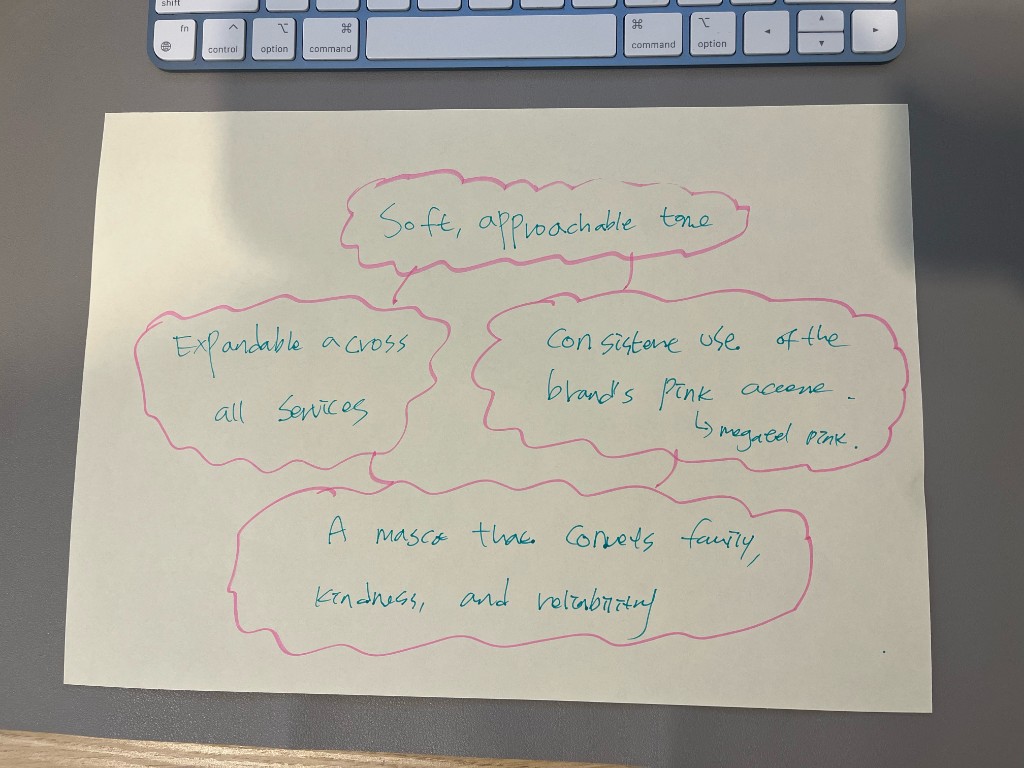
Before choosing a mascot, I defined what this character had to deliver: a consistent look that could express multiple emotions, fit the brand’s style guide, and feel approachable. That gave clear criteria for both design and production.
Existing character — prior to the AI character refresh
Why a new character?
Tone & impression
Soft, approachable, kind. The existing one didn’t resonate and felt dated.
Multi-format assets
Separable assets and full emotional range—usable across ads, social, stories.
Brand & emotion
Fits the style guide (colours, type, voice) and conveys joy, kindness, vulnerability.
Cost & control
Own and iterate in-house, without recurring agency fees.
Step 2
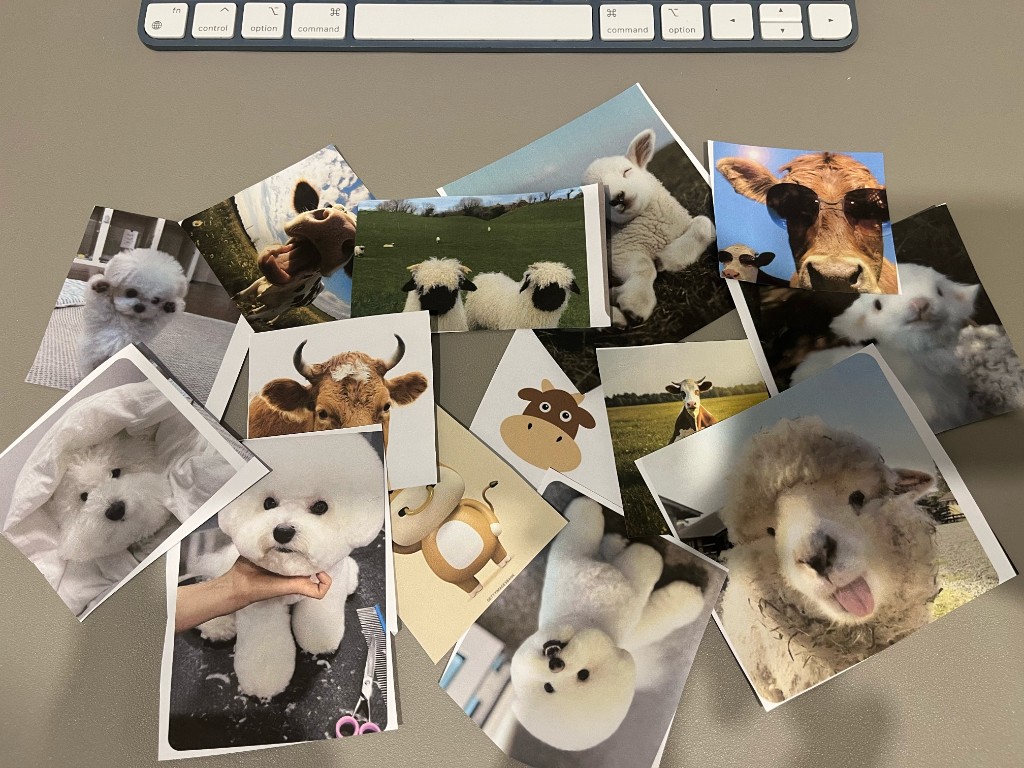
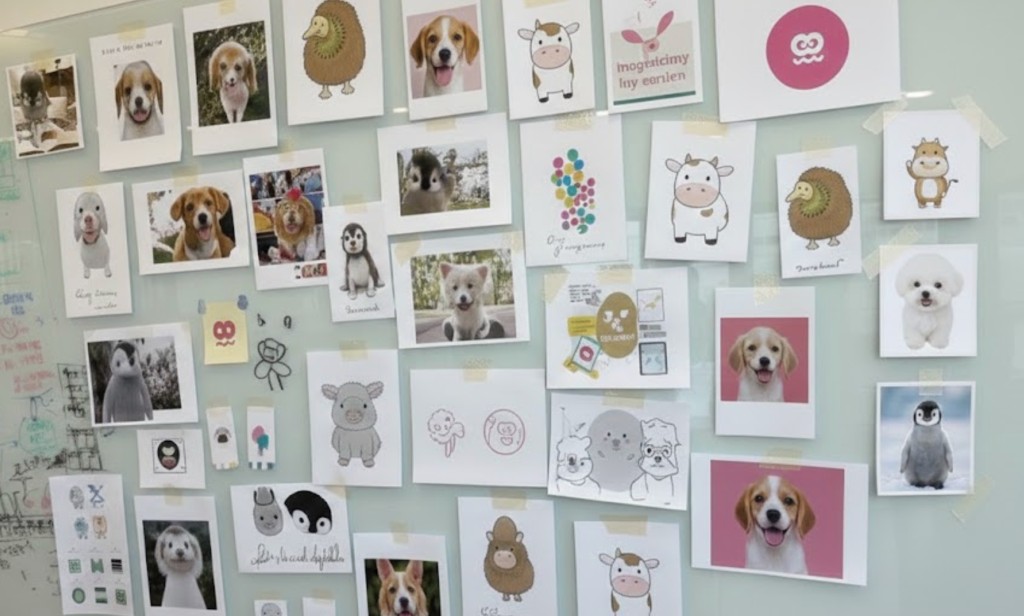
Think of it as a casting call: who could star in our ads and feel at home both globally and in New Zealand? I threw everything on the table—from the usual suspects (dogs, cats, birds) to farm favourites and full-on NZ natives. The winner had to be instantly recognisable, fun to draw in a zillion poses, and 100% on-brand.
Who made the shortlist?
Mascot exploration — concept map & inspiration moodboard
Step 3
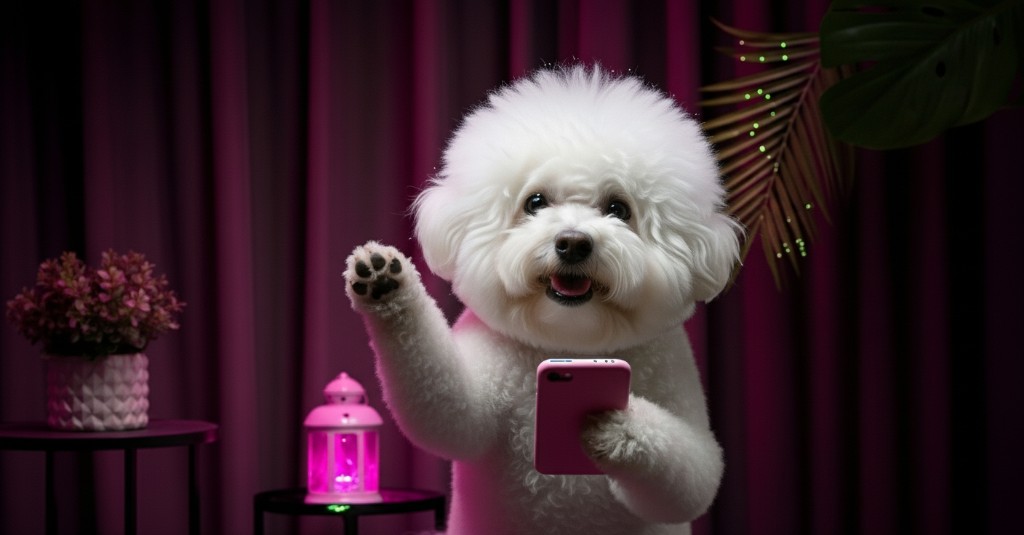
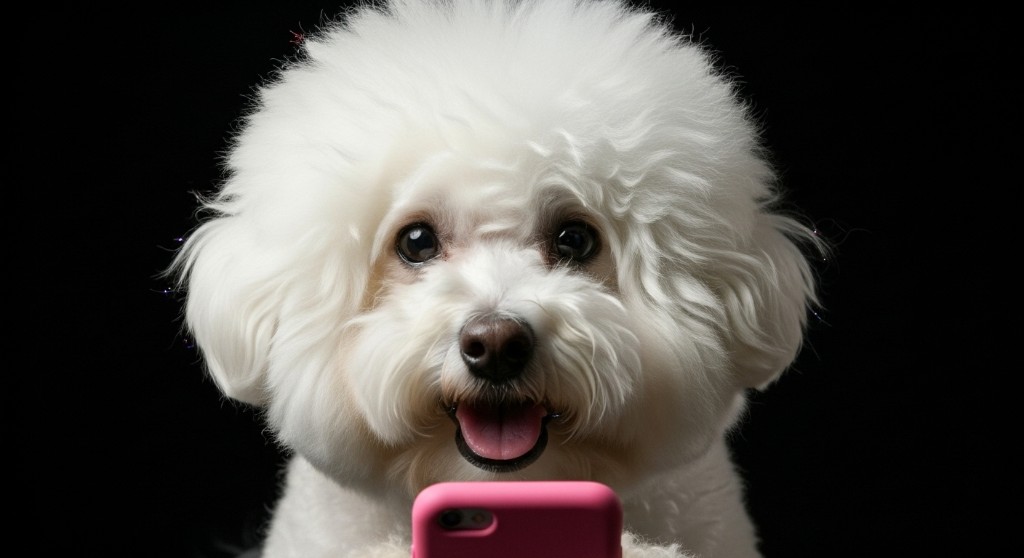
To use the character across many ads and formats, I built a repeatable system: a style guide (e.g. from an internal “Google Whisk” to “NanoBanana” naming where relevant) and use of AI tools to keep proportions, expression, and style consistent. Every asset had to feel like the same character. With Flora AI, I verified consistency and connectivity across all assets.
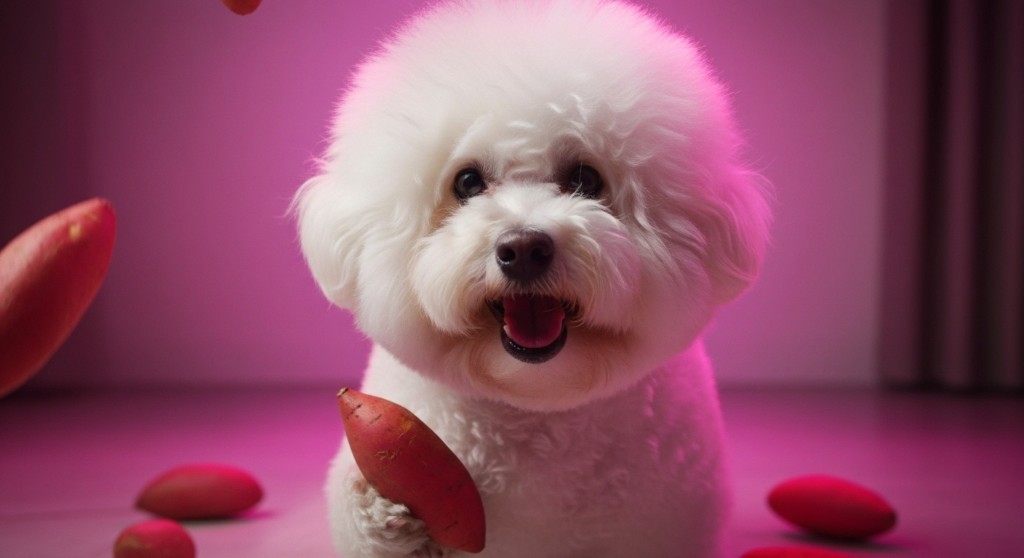
Character consistency — front view, key expression / Expressive variant — usable in ads and social
Step 4
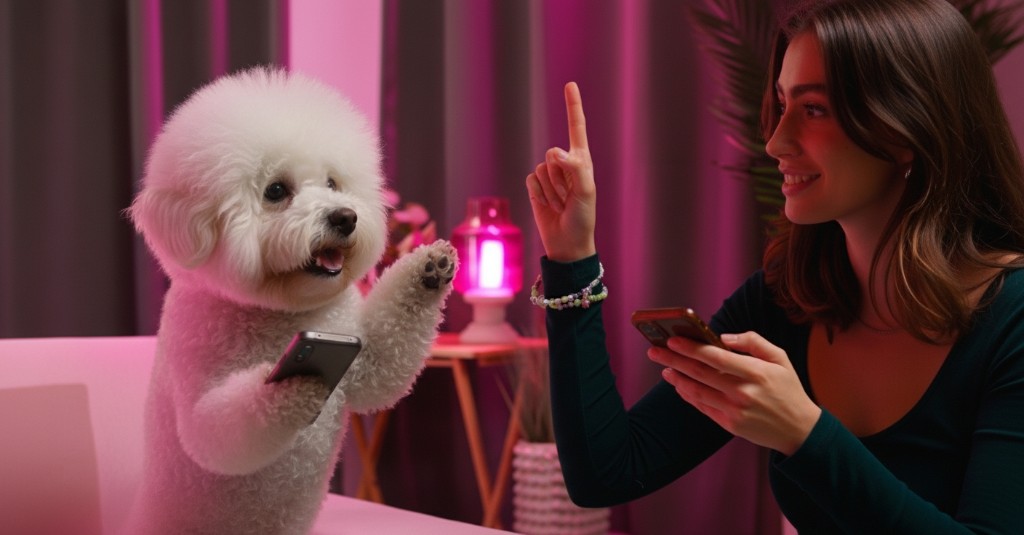
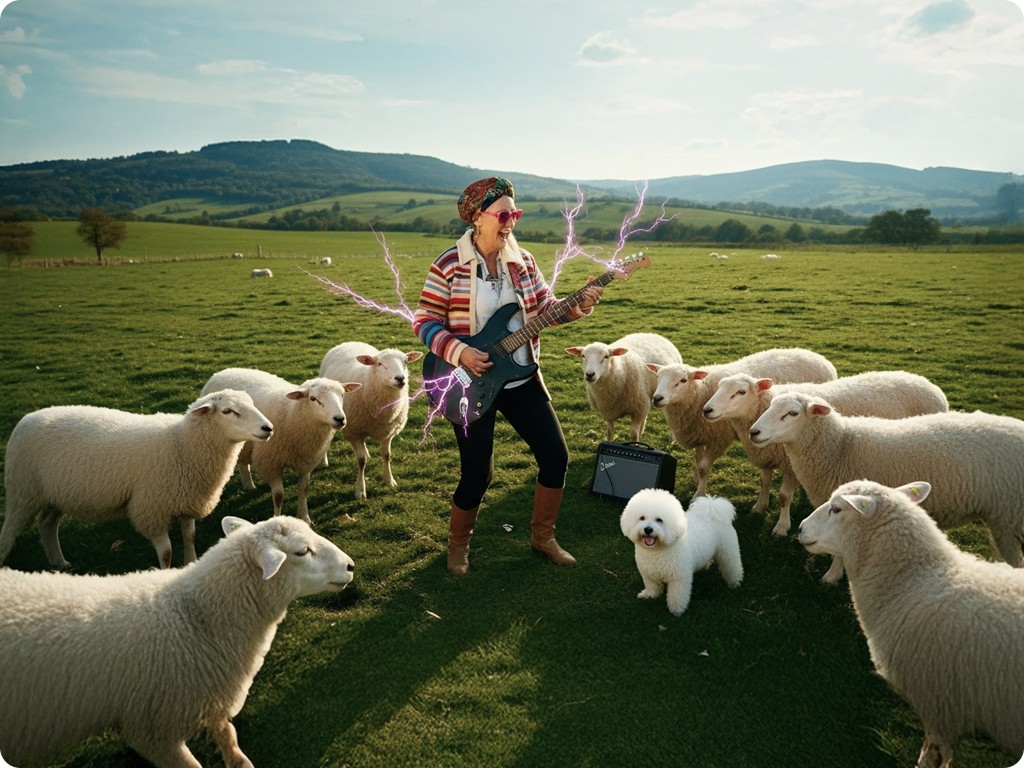
Before scaling spend, I produced sample video ads (e.g. in CatCup) that put the character in the brand world—e.g. the green field and sheep scene—and in more direct, CTA-driven frames. These were tested on Instagram and Reels to validate creative direction and hook strength.
Step 5
With the character system and sample videos validated, I ran real campaigns on Facebook and Instagram (Meta Ads Manager), using multiple creatives (e.g. festive, seasonal, promo) to see which combinations drove reach, engagement, and cost per result. Performance data fed back into the next round of creative and targeting.
Meta Ads Manager — campaign structure and creative set
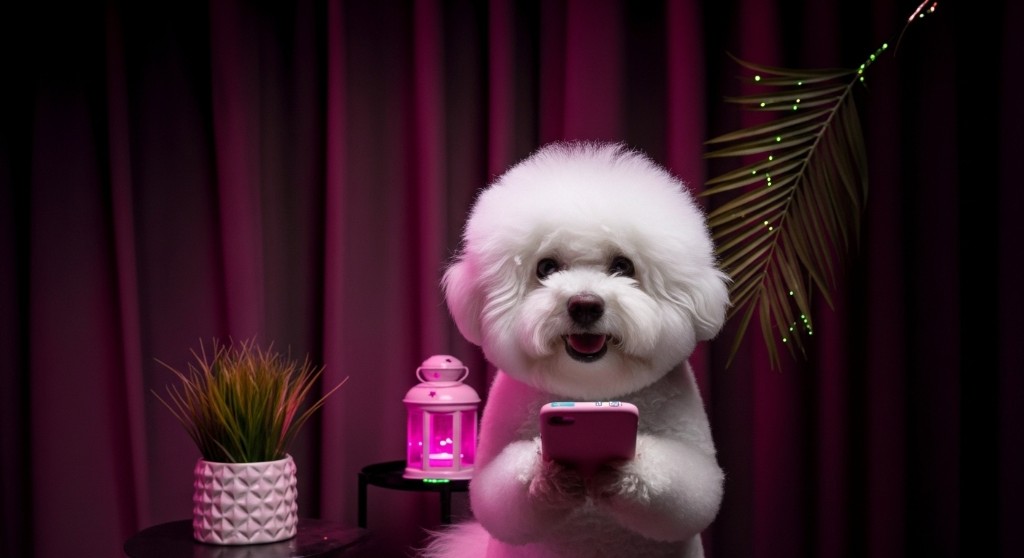
Sample ad creatives
Outcomes
The end-to-end process—from a single character direction to a reusable system and live campaigns—delivered measurable results: consistent creative at scale, better engagement where the character led, and a clear view of what creative and audiences work best for future iterations.
↑ Reach & impressions
Character-led creatives outperformed generic stock in tested markets
↑ Engagement
Higher CTR and engagement on ads featuring the mascot vs non-character creative
Scalable production
One style guide + AI pipeline allowed many variants (seasonal, promo, CTA) without re-shoots
Data-driven iteration
Meta performance data used to refine creative and targeting for next campaigns
Cost impact
Before this process, similar brand and campaign creative relied on photo shoots, illustrators, and multiple rounds of agencies. By defining a character system and using AI-assisted asset generation within a strict style guide, we cut production cost per asset and sped up iteration—without sacrificing brand consistency.
Estimated production cost per creative
vs traditional photo shoots + illustrators + agency rounds
Time from brief to ad-ready asset
Style guide + AI pipeline allowed same-day or next-day variants
One character, many campaigns
Seasonal and promo creatives without new shoots each time
"Defining the character up front and locking a consistency system was the unlock. Once that was in place, we could produce and test dozens of creatives at a fraction of the previous cost and time."